September 11, 2026
Access to clean, safe, and pleasant-tasting tap water remains a vital component of household health, personal comfort, and overall well-being. While municipal treatment facilities work diligently to deliver potable supplies to homes, local distribution networks often contain aging infrastructure, copper piping, and chemical treatment byproducts that alter taste and purity. According to EPA, more than 148,000 public water systems operate in the U.S. Each of these distinct distribution systems presents unique water chemistry challenges depending on regional geography, environmental factors, and local pipe conditions. Furthermore, private well owners bear complete individual responsibility for testing, monitoring, and purifying their personal groundwater supplies. Navigating the vast market of residential purification technologies can feel overwhelming for homeowners seeking to improve their daily hydration quality. Implementing the right water filtration technology requires analyzing household consumption habits, evaluating raw supply purity, understanding distinct filtration mechanics, and selecting reliable equipment built to last. Investing time in a systematic evaluation process ensures your family enjoys pure, refreshing, and contaminant-free supply from every faucet in the house.
Analyzing Local Water Quality and Identifying Specific Contaminants
Selecting an ideal residential purification system begins with an accurate laboratory assessment of your current tap supply. Understanding the specific chemical composition of your incoming line is essential because no single treatment medium removes every potential impurity. Homeowners should request annual water quality reports from local municipal providers or hire certified independent laboratories to analyze private well samples. Testing identifies common impurities such as dissolved heavy metals, chlorine disinfectant compounds, synthetic volatile organic chemicals, microplastics, sediment particles, and agricultural runoff. Recognizing your specific regional challenges allows you to select targeted filter media engineered specifically to capture those identified compounds. Utilizing targeted water filtration methods prevents purchasing underpowered or overly complex equipment that fails to address your specific home chemistry needs. Establishing a precise chemical baseline ensures your purification strategy effectively addresses actual impurities, protecting your family’s health and optimizing appliance performance over time.
Evaluating Various Purification Technologies and Filtration Media
Modern residential treatment systems utilize diverse technological mechanisms to capture, neutralize, and eliminate impurities from household supplies. Understanding how different filtration media operate helps homeowners select the ideal technology for their specific domestic goals. Activated carbon block cartridges excel at absorbing chlorine, synthetic pesticides, organic compounds, and unpleasant odors, significantly improving daily taste. Reverse osmosis systems employ semi-permeable membranes that remove dissolved mineral salts, heavy metals, fluoride, and microscopic pathogens with exceptional precision. Sediment pre-filters capture physical rust flakes, sand grains, and silt before they clog sensitive downstream equipment or ruin household plumbing fixtures. Additionally, ultraviolet disinfection systems utilize light energy to neutralize bacteria, viruses, and microbial cysts without adding chemical taste or odor. Combining complementary treatment stages within a cohesive water filtration setup creates a comprehensive multi-barrier defense that handles both dissolved chemical compounds and physical particulate matter seamlessly.
Comparing Whole-House Systems and Point-of-Use Units
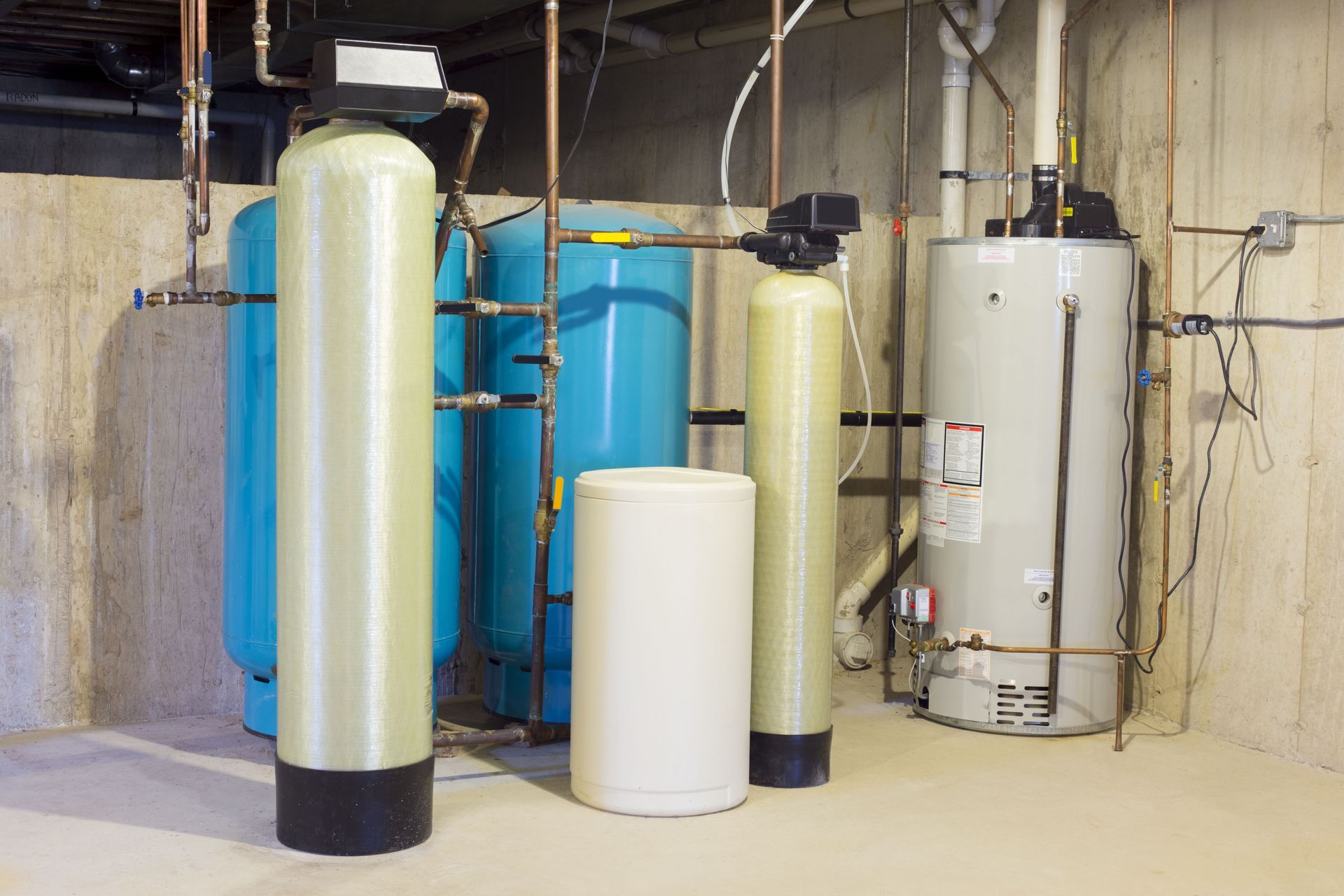
Determining the physical scope of your domestic purification strategy involves choosing between point-of-use units and whole-house treatment configurations. Point-of-use systems, such as under-sink units, countertop pitchers, and refrigerator line filters, purify supply at a single designated faucet. These localized solutions offer cost-effective options for families primarily focused on improving drinking and cooking supplies without altering utility lines throughout the entire house. Conversely, whole-house treatment units install directly at the main supply entry point, purifying every gallon entering the residence. Whole-house water filtration equipment protects domestic appliances, prevents mineral staining on bathroom fixtures, eliminates chlorine vapor during hot showers, and keeps clothing fabric soft during laundry cycles. Evaluating household budget parameters, plumbing accessibility, and total daily consumption demands helps determine whether localized faucet units or comprehensive entry-point systems better serve your residential lifestyle.
Assessing Flow Rates and Daily Household Consumption Needs
A critical yet frequently overlooked factor in selecting purification equipment is calculating peak flow rates and total daily domestic consumption. Purification equipment must deliver sufficient treated volume during morning peak usage times when multiple showers, washing machines, and kitchen faucets operate simultaneously. Selecting an undersized system restricts line pressure, creating frustrating drops in shower force and slow appliance filling cycles. Conversely, selecting an oversized residential system leads to unnecessary equipment expenditure and wasted mechanical capacity. Evaluating system flow ratings—measured in gallons per minute—ensures adequate volume delivery without compromising chemical contact time across treatment media. Consulting experienced purification specialists helps determine exact peak volume requirements based on household bathroom counts, family member totals, and fixture usage habits. Balancing peak volume capacity with effective media contact time guarantees consistent line pressure alongside thorough impurity removal across every room in the house.
Reviewing Certification Standards and Independent Testing Validation
Navigating marketing claims requires verifying third-party testing certifications from recognized public health and safety organizations. Independent testing institutes evaluate purification equipment against rigorous performance standards to verify contaminant reduction claims and structural material safety. Look for certifications that validate specific removal capabilities, such as NSF standards for aesthetic chlorine reduction, health contaminant removal, or reverse osmosis performance. Independent certification guarantees that filter housings do not leach harmful synthetic chemicals into your drinking supply and that mechanical components withstand standard household line pressure without bursting. Choosing certified water filtration products provides verifiable proof that the equipment performs reliably as advertised under daily operational stress. Prioritizing independently tested and certified equipment protects your financial investment while delivering genuine peace of mind regarding household hydration safety.
Factoring Maintenance Requirements and Long-Term Operating Costs
Evaluating the total financial commitment of a domestic purification setup requires looking beyond the initial purchase price to consider long-term operational expenses. Every purification medium requires periodic maintenance, cartridge replacement, or media rebedding to maintain optimal capture efficiency and prevent bacterial accumulation over time. Homeowners should research replacement cartridge pricing, required swap schedules, component availability, and routine system sanitization procedures before finalizing equipment choices. Some advanced systems feature automated self-cleaning cycles or long-lasting media beds that reduce routine manual maintenance interventions significantly. Furthermore, calculating energy consumption for ultraviolet units or waste volume generation for reverse osmosis setups helps establish accurate annual operating budgets. Partnering with professional suppliers for routine water filtration maintenance ensures timely filter replacements, system pressure checks, and continuous peak purification performance across the entire lifespan of your equipment.
Selecting the ultimate residential purification system requires a thoughtful combination of laboratory testing, media evaluation, scope determination, flow rate calculation, certification verification, and long-term budget planning. Analyzing your local incoming supply, understanding distinct media mechanics, selecting appropriate physical configurations, and verifying third-party health certifications work together to guarantee safe, delicious, and pristine tap water. Investing in high-quality treatment technology protects your family's health, preserves household plumbing infrastructure, and transforms daily hydration into a refreshing, high-quality experience across every room in your residence.
At Superior Water Works, Inc, our dedicated team brings extensive technical expertise, state-of-the-art purification technology, and an unwavering commitment to quality on every system we design, install, and service, ensuring your household enjoys pure, safe, and refreshing hydration through every season. We take immense pride in helping property owners achieve complete peace of mind through customized treatment strategies tailored precisely to their unique water chemistry. From conducting comprehensive laboratory testing and selecting advanced multi-stage filtration media to delivering flawless professional installations and ongoing routine maintenance, our certified specialists guide you through every phase of the process. By pairing industry-leading equipment with personalized service, we protect your family's health and enhance your home's overall utility. Contact us today to schedule your comprehensive home evaluation and discover the ultimate treatment solution for your family's needs.