October 13, 2026
Understanding the significant benefits of water softeners and their impact on household water quality is crucial for any homeowner or business. Water softeners have become indispensable tools in many homes, playing a pivotal role in addressing common water quality issues. They work not just to improve the efficiency of water-based appliances but also to elevate the overall water experience. As many people struggle with the effects of hard water, exploring how water softeners can aid in enhancing water quality is a worthwhile endeavor. Their usage not only provides immediate solutions to pressing water issues but also represents a proactive approach to maintaining water systems. Indeed, more individuals recognize the value of investing in water softening solutions as a strategic move towards improving domestic and business environments.
Understand How Water Softeners Work
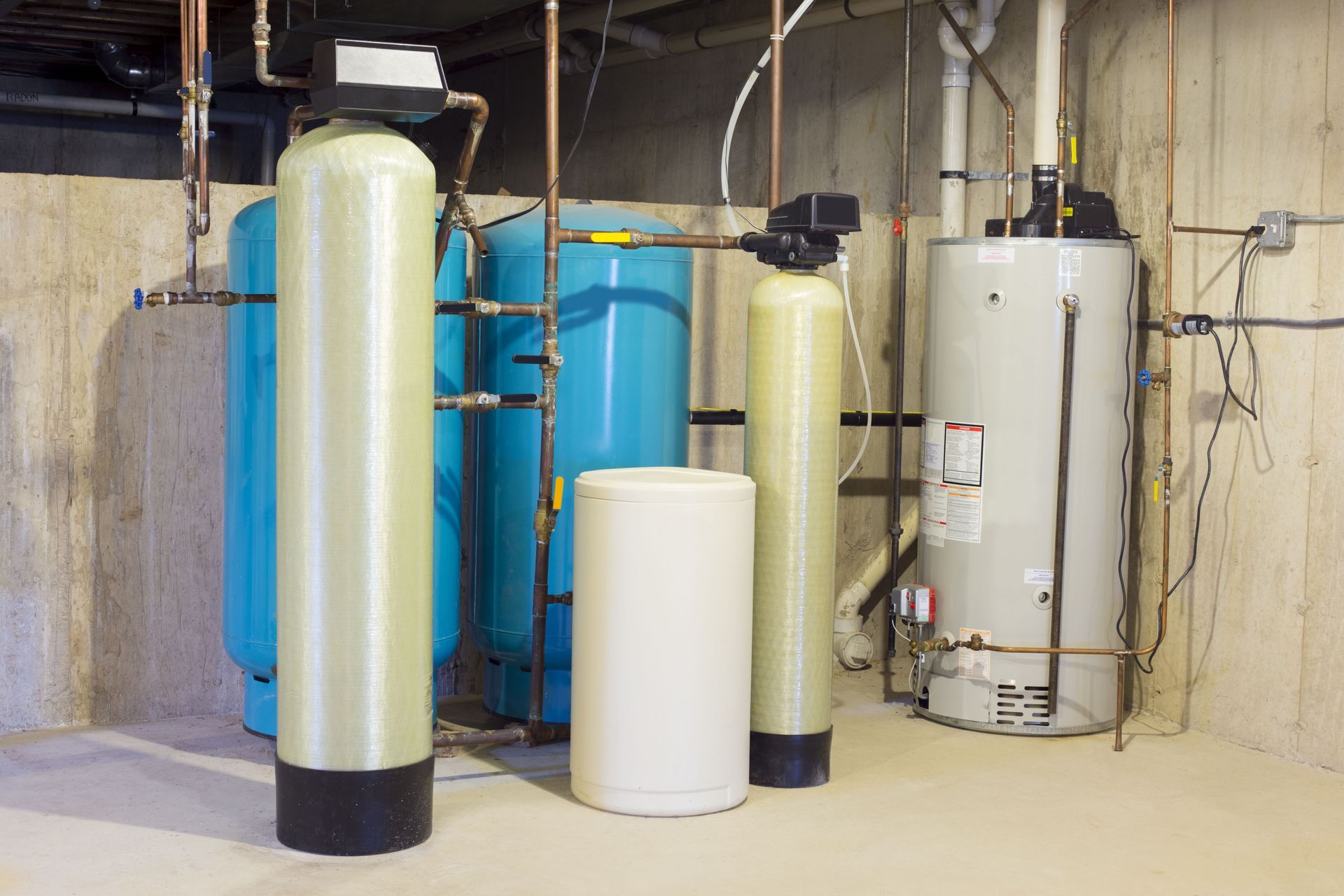
A water softener is a household appliance designed to reduce the concentration of calcium, magnesium, and sometimes iron in water, which are the culprits of water hardness. The process typically involves an ion exchange system, where hard minerals are swapped with softer ones like sodium or potassium ions. This not only alleviates the scaling that hard water causes in pipes and appliances but also ensures a richer lather with soaps and detergents. By preventing mineral build-up, water softeners lengthen the lifespan of plumbing systems and appliances, leading to long-term cost savings. Moreover, the consistent use of soft water can contribute to improved energy efficiency in homes by making heating systems work less rigorously. This shows how water softeners serve as an essential component in reducing overall household energy consumption.
The mechanism of action involves water passing through a bed of resin beads that are saturated with sodium ions. As the hard water flows over the beads, calcium and magnesium ions are drawn out and exchanged with sodium, softening the water in the process. This conversion is essential for maintaining appliance efficiency and improving the quality of life by offering less abrasive water. According to the Environmental Protection Agency, the U.S. drinking water infrastructure needs approximately $625 billion over 20 years, emphasizing the importance of maintaining and upgrading water systems. The infrastructure needs highlight the necessity for individual-level interventions to enhance water quality and reliability. Water softeners thus play a dual role: they immediately address household needs while contributing to the larger dialogue on water sustainability.
Furthermore, regular maintenance of a water softener is necessary to ensure its efficient operation. This often includes replenishing the salt supply within the system and occasionally cleaning the mechanisms. Though simple, these tasks help safeguard the functionality of the device, providing households with soft water consistently. Overall, understanding the basics and workings of these systems is the first step in embracing their benefits. Continued education and awareness of their advantages ensure that users are well-informed on maximizing their utility and longevity. As consumers become more aware of water quality issues, water softeners are increasingly seen as a smart investment in long-term health and resource preservation.
Explore the Benefits of Using a Water Softener
The primary reason for using a water softener is to combat the adverse effects related to hard water. Hard water can lead to various issues, such as scaling on fixtures, clogged appliances, and the reduced effectiveness of soap. By reducing these problems, water softeners contribute to lowering maintenance costs for plumbing and appliances. They also play a role in softening the water, improving the overall skin and hair feel post-bathing, and ensuring cleaner dishes and clothes. As a result, users can enjoy a noticeable difference in the comfort and cleanliness levels of their homes. Over time, the transformation in daily water usage creates a more inviting and healthy living environment.
Moreover, the practical benefits of water softeners extend beyond just cost savings. They ensure the efficiency of household chores by preventing mineral deposits, allowing detergents and soaps to operate more effectively. This efficiency translates into using less energy and water during cleaning processes, thereby offering an indirect environmental advantage. Given the expenses on drinking water infrastructure, investing in personal water quality solutions like water softeners is increasingly pertinent. In essence, these devices represent a strategic adaptation to future-proof homes against the challenges of deteriorating public water infrastructure. Consequently, water softeners rank high on the list of innovations that align personal well-being with broader environmental responsibility.
In addition, using a water softener enhances personal comfort across everyday activities. The overall feel of the water becomes smoother, improving experiences such as bathing and washing. This substantial improvement in daily water use should not be underestimated, as it significantly impacts user satisfaction. The cumulative effect of using water softeners thus results in tangible health, financial, and lifestyle benefits. With long-term use, they can become key pillars in enhancing the quality of life within households. This commitment to improved water quality reflects a growing trend toward eco-friendly living standards that prioritize wellness and sustainability.
Prevent Hard Water Problems
Water softeners are remarkably effective at mitigating the common issues associated with hard water. By actively removing hard minerals from the water supply, these devices help prevent scale build-up in pipes and essential household appliances. This preventative measure not only prolongs the life expectancy of such equipment but also enhances their operational efficiency. Consequently, homeowners experience fewer issues and reduced appliance maintenance expenses. Not only do these devices ensure better functionality of home systems, but they also protect investments from the effects of hard water. This combination of benefits encapsulates why water softeners have become a mainstay in modern homes.
Aside from infrastructure benefits, water softeners also contribute significantly to improved cleaning and personal care. Dishes lack residue, laundering clothes results in softer, fresher fabrics, and bathing leaves skin and hair less dry. These improvements highlight the broader impact of water softeners on general household hygiene. As the EPA notes, substantial investments are needed to bring water systems up to par, making in-home water treatment more vital. In this context, it's clear that water softeners are not merely a luxury but a necessary element of contemporary water management strategies. Their expanding role underscores an ongoing shift towards personal agency in addressing public utility shortcomings.
However, like any technology, water softeners must be paired with regular maintenance to deliver optimal benefits. Monitoring salt levels and ensuring periodic regeneration cycles are essential practices for maintaining efficiency. Without these, the system can become less effective over time, allowing hard water minerals to re-enter the water supply. Despite this maintenance requirement, water softeners remain a near-essential household tool for managing water quality. Their enduring reliability affirms their reputation as a valuable asset in home improvement and personal care. This continued relevance hints at the persistent need for high-quality water to support comfortable, efficient, and sustainable living.
Water softeners effectively reduce the pervasive problems presented by hard water, enhancing utility lifespan, personal comfort, and cleaning efficiency. The upfront investment in these systems is justified by the long-term savings and lifestyle improvements they facilitate. Embracing water softeners is thus not just a financial decision but a commitment to better household living standards. Their adoption reflects a growing consciousness around enhancing daily interactions with water resources. This transition is crucial as more families and businesses seek sustainable solutions that align with future water availability and quality issues. Reach out to Superior Water Works, Inc to learn more about our services today.