November 13, 2026
Hard water is a very common challenge that affects millions of homes every single day. When water travels underground, it picks up dissolved minerals like calcium and magnesium from natural rock beds before flowing through your home faucets. While these trace minerals are not dangerous to drink, they leave behind tough white chalk on faucets, make soap struggle to foam, and leave hair feeling rough. Finding the right water softener solves these messy household problems, making daily showers comfortable and keeping your sinks, bathtubs, and countertops sparkling clean.
Over time, untreated hard water takes a heavy hidden toll on your costly home appliances and plumbing pipes. Mineral scale slowly coats the heating elements inside your water heater, forcing it to burn far more energy just to heat normal bathwater. It also clogs washing machines, dishwashers, and showerheads, causing unexpected leaks and frustrating breakdowns that require expensive plumbing repairs. Installing a whole-home treatment system stops this costly wear and tear before it starts, saving you serious money on monthly utility bills while protecting your plumbing.
Understanding Common Water Hardness Problems
Water hardness simply refers to the amount of dissolved calcium and magnesium floating invisibly in your domestic water supply. When you heat or dry hard water, those dissolved minerals quickly turn into a chalky, rock-like crust known as limescale. You can easily spot hard water by checking the base of your kitchen sink, looking for hazy white clouds on freshly washed drinking glasses, or noticing that your laundry feels stiff and scratchy right out of the dryer. If left completely unchecked, this persistent mineral buildup will slowly choke your interior copper or plastic water pipes, choking off water pressure and placing unnecessary strain on your household plumbing network.
Understanding where your tap water comes from helps you determine whether your household needs an active treatment solution. According to the EPA, public water systems provide drinking water to 90% of Americans, and municipal utility providers regularly test and report their mineral content to local customers. Even if your tap water easily passes all state drinking water standards, cities rarely remove hard minerals because treating hardness across entire cities is simply too expensive. Testing your home water using a quick paper strip or a municipal report gives you a clear baseline score, letting you know whether an inline water softener is necessary to preserve your plumbing.
Sizing Systems for Everyday Family Needs
Picking the right size unit is essential to make sure your family never runs out of soft, conditioned water during busy mornings. Softeners are rated by grain capacity, which tells you how many hard mineral grains the resin tank can catch before it must clean itself with brine. To calculate your home needs, multiply the number of people living under your roof by seventy-five gallons of daily water use, then multiply that total by your water hardness score. Buying an undersized machine forces the system to clean itself too often, wasting precious water and salt, while buying an oversized machine costs unnecessary money upfront.
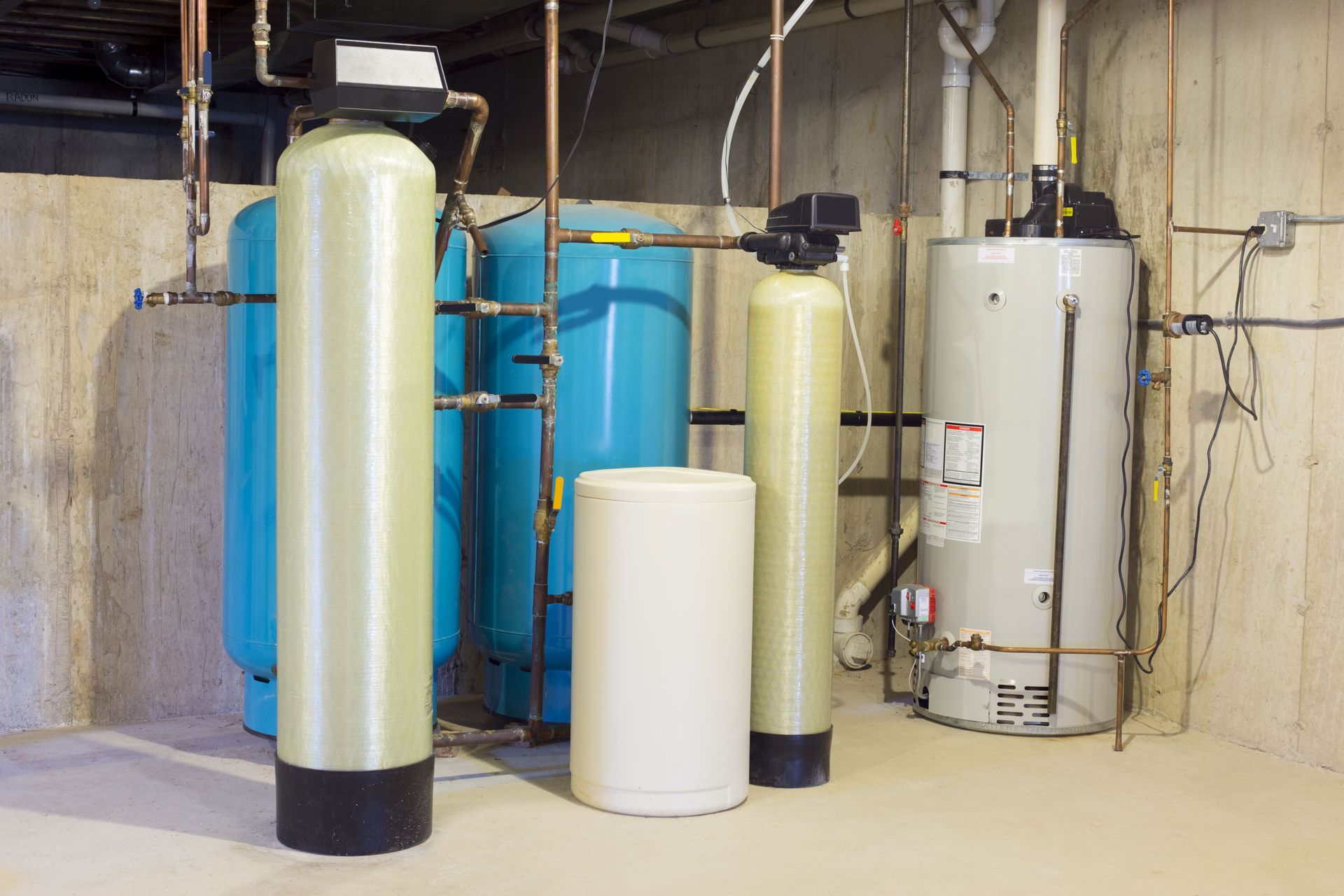
You also need to think about available physical space and proper drainage before choosing an appliance for your garage or basement. Standard single-tank systems easily fit inside tight utility closets, recharging quietly in the middle of the night when everyone in the house is sound asleep. Larger families with nonstop laundry and multiple showers often prefer dual-tank setups, which seamlessly swap between tanks so one provides conditioned water while the second tank washes itself. Taking quick measurements of your utility space, electric outlets, and nearby floor drains ensures that your new water softener fits neatly into your home setup.
Evaluating Upfront Costs and Long-Term Value
Purchasing a whole-home treatment system requires an upfront investment, but the everyday benefits and long-term savings make it well worth the money. While the initial equipment and professional setup cost some money, conditioned water immediately begins trimming down other everyday household bills. Because softened water lets soaps and detergents lather instantly, you can cut your purchases of laundry detergent, dishwashing soap, and body wash by more than half. You will also avoid paying for specialty bathroom cleaners or harsh descaling chemicals, as stubborn mineral rings simply stop forming on your shower glass doors.
The largest financial return comes from shielding your major home appliances and water heaters from expensive damage. Water heaters running on soft water maintain their original factory energy efficiency for up to fifteen years, whereas hard water scale can destroy heating elements in only a few years. Protecting your dishwashers, washing machines, and refrigerator ice makers from mineral clogs helps them run smoothly without needing emergency service calls. Over the entire lifespan of a quality water softener, the energy savings and avoided plumbing bills can easily pay back the original installation price of the machine.
Maintaining Equipment for Trouble-Free Operation
Keeping your whole-home treatment setup working properly takes only a few minutes of simple attention each month. For salt-based machines, all you need to do is lift the tank lid once a month to check the salt level and add a couple of fresh bags when the pellets run low. Occasionally, humid summer weather can cause salt pellets to stick together into a hard crust known as a salt bridge, which prevents the brine from dissolving properly. If you ever notice that your water feels hard even though the tank looks full, simply use a broom handle to gently break up that hard crust so the machine runs normally.
Modern appliances are built to last fifteen to twenty years when cared for with basic routine checkups. Many newer models feature smart digital screens and automated sensors that monitor your actual water use and remind you when it is time to check the salt bin. It is also a good habit to rinse your resin tank with an inexpensive liquid cleaner once a year to wash out any trapped iron or sediment. Taking good care of your water softener guarantees that your household enjoys rich soap lathers, clean bathroom fixtures, and smooth appliance performance year after year.
Improving Daily Living and Personal Comfort
The positive impact of conditioned water is something your whole family will notice and appreciate from the very first shower. Hard minerals strip away natural body oils, leaving skin feeling tight, itchy, and irritated, while making clean hair look dull and frizzy. With conditioned water, natural moisture stays locked in, leaving your skin feeling smooth and your hair feeling soft, shiny, and easy to brush. Bathing becomes a relaxing, spa-like experience, and family members with sensitive skin or dry patches often find fast, soothing relief once the harsh minerals are gone from their bathwater.
Daily household cleaning chores also become much faster, easier, and less frustrating when you have conditioned water flowing through your taps. Dishes come out of the dishwasher completely clear and sparkling, with no cloudy white residue on your glassware or silver cutlery. Clothes and bed sheets wash cleaner, keep their bright colors longer, and come out of the laundry feeling soft against your skin without needing gallons of chemical fabric softeners. By adding a reliable water softener to your household utility line, you elevate your family's daily comfort while keeping your home looking beautiful.
When you are ready to find the ideal system for your home, working with an experienced local specialist makes the whole process quick, easy, and stress-free. Knowledgeable technicians can accurately test your home water, measure your plumbing lines, and recommend the exact unit that fits your family's budget and daily water use. To explore your options and schedule a friendly in-home water test, contact the trusted team at Superior Water Works, Inc to bring smooth, clean, and refreshing water to every faucet in your house.